
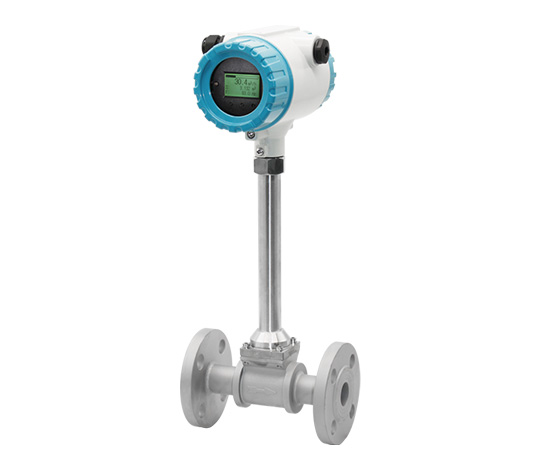
Accurate flow measurement is not just a technical requirement—it directly affects energy efficiency, production quality, safety, and operating costs. In industries where steam, gas, and liquid flow must be measured reliably under harsh conditions, the vortex flow meter has become a preferred and trusted solution.
This comprehensive guide explains how a vortex flow meter works, how accurate it is, where it performs best, and how to choose a top quality vortex flow meter that delivers long-term value for industrial operations.
Table of Contents
- What Is a Vortex Flow Meter?
- How Does a Vortex Flow Meter Work?
- Main Components of a Vortex Flow Meter
- Vortex Flow Meter Accuracy and Performance
- Key Advantages of Vortex Flow Meters
- Limitations and When Not to Use a Vortex Flow Meter
- Best Industrial Applications of Vortex Flow Meters
- Vortex Flow Meter vs Other Flow Measurement Technologies
- Vortex Flow Meter Price: What Determines the Cost?
- How to Select a Top Quality Vortex Flow Meter
- Installation and Maintenance Best Practices
- Final Thoughts and Next Steps
1. What Is a Vortex Flow Meter?
A vortex flow meter is an industrial flow measurement device used to measure the flow rate of steam, gases, and low-viscosity liquids. It works based on a well-proven fluid dynamics principle called vortex shedding.
Because vortex flow meters have no moving parts, they are highly reliable, require minimal maintenance, and maintain stable accuracy over long periods—making them ideal for demanding industrial environments.
👉 Learn more about industrial-grade solutions here:
https://oricaengineering.com/flow-meters/vortex-flow-meter/
2. How Does a Vortex Flow Meter Work?
The Vortex Shedding Principle (Simple Explanation)
When fluid flows past a fixed obstruction (called a bluff body) inside a pipe, it creates alternating vortices downstream. These vortices are shed at a frequency directly related to the fluid’s velocity.
Step-by-Step Working Process
- Fluid flows through the pipeline
- The bluff body interrupts the flow
- Alternating vortices are formed
- A sensor detects vortex frequency
- The transmitter converts frequency into flow rate
Higher flow velocity = higher vortex frequency, which makes measurement highly stable and repeatable.
3. Main Components of a Vortex Flow Meter
A typical vortex flow meter includes:
- Bluff body – Generates vortices
- Sensor (piezoelectric or pressure type) – Detects vortex signals
- Signal processor – Filters and converts data
- Transmitter – Outputs flow signals (4–20 mA, pulse, HART, Modbus)
The absence of moving mechanical parts significantly reduces wear and calibration drift.
4. Vortex Flow Meter Accuracy and Performance
How Accurate Is a Vortex Flow Meter?
Modern industrial vortex flow meters typically provide:
- ±0.5% to ±1.0% accuracy for liquids
- ±1.0% to ±1.5% accuracy for steam and gases
Factors That Influence Accuracy
- Proper upstream and downstream piping
- Stable flow conditions
- Correct temperature and pressure compensation
- Proper installation orientation
- Operation within recommended flow range
When installed correctly, a top quality vortex flow meter delivers consistent accuracy for many years.
5. Key Advantages of Vortex Flow Meters
Industries prefer vortex flow meters because they offer:
- Excellent performance for steam flow measurement
- Wide operating temperature and pressure range
- Long service life with minimal maintenance
- No moving parts (low failure risk)
- Suitable for saturated and superheated steam
- Strong balance between accuracy and cost
These advantages make vortex meters ideal for energy monitoring, utility measurement, and process control.
6. Limitations and When Not to Use a Vortex Flow Meter
Despite their strengths, vortex flow meters are not suitable for all applications.
Avoid vortex flow meters when:
- Flow rates are very low
- Fluids are highly viscous
- Two-phase or unstable flow exists
- Strong pipe vibration is present
Correct application selection is critical for achieving reliable results.
7. Best Industrial Applications of Vortex Flow Meters
Common Use Cases
Vortex flow meters are widely used in:
- Steam flow measurement systems
- Power generation plants
- Oil and gas facilities
- Chemical and petrochemical plants
- Compressed air monitoring
- HVAC and energy management systems
- Food and beverage utilities
Their durability and temperature tolerance make them especially valuable in high-energy industrial processes.
8. Vortex Flow Meter vs Other Flow Measurement Technologies
Vortex vs Orifice Plate
- Higher accuracy
- Lower pressure loss
- Less maintenance
Vortex vs Turbine Flow Meter
- Better for steam
- No moving parts
- Longer operational life
Vortex vs Magnetic Flow Meter
- Works with gases and steam
- Magnetic meters require conductive liquids only
This versatility often makes vortex flow meters the most practical industrial choice.
9. Vortex Flow Meter Price: What Determines the Cost?
The vortex flow meter price depends on several factors:
- Pipe size and pressure rating
- Operating temperature
- Construction material (SS304, SS316, etc.)
- Output signal and communication protocol
- Hazardous area or explosion-proof certification
- Brand quality and manufacturing standards
Although initial cost may be higher than basic devices, lower maintenance and longer lifespan reduce total ownership cost.
10. How to Select a Top Quality Vortex Flow Meter
When choosing a vortex flow meter, consider:
- Proven industrial references
- Compliance with international standards
- Certified accuracy and repeatability
- Local technical support and service
- Proper sizing and application guidance
For expert consultation and industrial solutions, visit:
👉 https://oricaengineering.com/
11. Installation and Maintenance Best Practices
Installation Guidelines
- Ensure recommended straight pipe lengths
- Avoid high-vibration locations
- Install in fully filled pipelines
- Follow manufacturer orientation guidelines
Maintenance Requirements
- Periodic inspection of sensors
- Signal verification during scheduled shutdowns
- No routine mechanical maintenance required
Proper installation ensures maximum accuracy and long-term reliability.
Final Thoughts: Why a Vortex Flow Meter Is a Smart Industrial Investment
A vortex flow meter is a proven, reliable, and cost-effective solution for measuring steam, gas, and liquid flow in demanding industrial environments. Its stable accuracy, simple working principle, and low maintenance requirements make it a preferred choice for industries focused on efficiency, safety, and cost control.
Key Takeaways
- Ideal for steam and high-temperature applications
- Reliable long-term accuracy
- Lower lifecycle cost
- Widely accepted across industries
If you are planning to improve flow measurement performance or upgrade existing systems, selecting a top quality vortex flow meter can deliver measurable operational and financial benefits.
📞 Request expert guidance or a quotation today:
👉 https://oricaengineering.com/contact-us/