
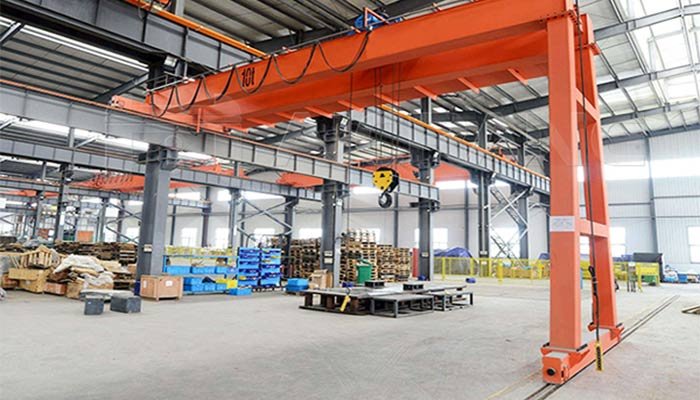
Gantry cranes are essential lifting systems used across manufacturing, fabrication shops, warehouses, construction yards, ports, and steel plants. Their efficiency and safety are critical for daily operations — yet gantry crane problems are more common than many companies realise. When ignored, these issues lead to downtimes, production delays, costly repairs, and serious safety risks.
This in-depth guide explains the most common gantry crane problems, the underlying engineering causes, and the best ways to fix them through proper maintenance, inspection, and component-level optimisation.
Table of Contents
What Is a Gantry Crane?
Why Gantry Crane Problems Must Be Addressed Early
Most Common Gantry Crane Problems
Electrical System Failures
Mechanical & Structural Issues
Crane Wheel & Rail Misalignment
Hoist Problems & Chain Failure
Overloading & Load Control Issues
Hydraulic & Pneumatic Faults
Control System Malfunctions
Corrosion, Weather Damage & Outdoor Challenges
How to Diagnose Gantry Crane Problems Correctly
Preventive Maintenance Checklist
When to Call a Professional Engineering Team
Final Summary
Call to Action (Orica Engineering)
- What Is a Gantry Crane?
A gantry crane is a lifting system where the entire crane structure is supported by legs that run on wheels or rails, unlike overhead cranes which use runway beams. Gantry cranes come in:
Full-gantry configurations
Semi-gantry cranes
Portable gantry cranes
Rubber-tired gantries
Rail-mounted gantries
Regardless of the type, all systems face predictable failure patterns — and understanding these patterns is the key to preventing downtime.
- Why Gantry Crane Problems Must Be Addressed Early
Ignoring early signs of gantry crane failure leads to:
Increased accident risk
Premature equipment wear
Higher energy consumption
Lower productivity
Expensive emergency repairs
OSHA/ISO compliance issues
A properly maintained gantry crane lasts 20–30 years, while a poorly maintained system can fail in less than 5.
- Most Common Gantry Crane Problems
Top issues include:
Electrical failures
Hoist malfunction
Wheel and rail alignment issues
Structural cracking
Brake failure
Limit switch malfunction
Trolley skewing
Overloading
Excessive vibration
Poor lubrication
Control panel faults
This guide explains each in detail, including root causes and corrective actions.
- Electrical System Failures
Electrical issues are among the most frequently reported gantry crane problems, especially on older cranes.
4.1 Loose or Damaged Wiring
Causes:
Vibration
Weather exposure
Poor cable routing
Fix:
Inspect junction boxes & switchgear
Tighten connections
Replace damaged wiring harnesses
4.2 Motor Overheating
Reasons:
Overloading
Insufficient ventilation
Undersized motor
Fix:
Install temperature monitoring
Clean cooling ducts
Upgrade to a higher-duty motor
4.3 Control Panel Malfunctions
Symptoms:
Intermittent operation
Commands not responding
System shutdown
Fix:
Update PLC firmware
Replace relays & contactors
Clean and seal the panel
🔗 For advanced electrical upgrades, visit:
https://oricaengineering.com/services/
- Mechanical & Structural Issues
Mechanical failures directly impact lifting safety.
5.1 Structural Cracks on Beams
Caused by:
Fatigue
Overloading
Poor welding
Corrosion
Fix:
Conduct NDT testing
Grind, weld, and reinforce affected areas
Replace defective beams in severe cases
5.2 Gearbox Damage
Symptoms:
Grinding noise
Oil leakage
Excessive heat
Fix:
Replace seals
Re-align gears
Introduce proper lubrication schedule
- Crane Wheel & Rail Misalignment
One of the most underestimated gantry crane problems is misalignment of wheels and rails.
6.1 Causes
Uneven rail installation
Overloading causing leg deformation
Loose fasteners
Foundation settlement
6.2 Consequences
Wheel flange wear
Trolley skewing
Increased energy consumption
Risk of crane derailment
6.3 How to Fix
Perform laser alignment
Replace damaged wheels
Level the rails
Re-grout foundations
🔗 Learn more about structural & alignment correction at:
https://oricaengineering.com/structural-services/
- Hoist Problems & Chain Failure
Hoist issues are dangerous and must be addressed immediately.
7.1 Chain or Wire Rope Wear
Caused by:
Poor lubrication
Excessive load stress
Abrasion
Fix:
Replace wire rope at 10% wear
Maintain lubrication intervals
Inspect load drum grooves
7.2 Hoist Brake Slippage
Symptoms:
Load drift
Brake pad glazing
Fix:
Replace braking pads
Adjust braking torque
7.3 Reeving Problems
Common in double-reeved hoists.
Fix:
Correct reeving pattern
Replace pulleys if worn
- Overloading & Load Control Issues
Overloading is the number one cause of catastrophic crane failures.
8.1 Signs of Overloading
Motor tripping
Excessive vibration
Bending of beams
Load swinging
8.2 Solutions
Install load limiters
Operator training
Clear weight labeling
Real-time load monitoring systems
Overloading reduces crane lifespan by 40–60%.
- Hydraulic & Pneumatic Faults
Some gantry cranes use hydraulic lifts.
Common failures:
Seal leakage
Hose cracking
Pressure loss
Air contamination
Fix:
Replace seals & hoses
Install hydraulic filters
Maintain correct pressure levels
- Control System Malfunctions
Common issues:
Limit switch failure
Emergency stop not responding
Remote control interference
PLC logic errors
Fix:
Replace faulty switches
Recalibrate limit points
Reprogram PLC logic
Switch frequency channels for wireless controllers
- Corrosion, Weather Damage & Outdoor Challenges
Outdoor gantry cranes face:
UV degradation
Salt corrosion (coastal areas)
Rainwater accumulation
Metal fatigue
Fix strategies:
Hot-dip galvanizing
Marine-grade paint systems
Anti-corrosion coatings
Regular washing and re-greasing
- How to Diagnose Gantry Crane Problems Correctly
Use this industrial-grade diagnostic approach:
Visual Inspection
Check wheels, beams, hoist, wiring, corrosion.
Operational Testing
Run crane through full cycle to detect vibration or load shift.
NDT Testing
Ultrasonic
Magnetic particle
Dye penetrant
Electrical Load Testing
Measure voltage, insulation, and current draw.
Structural Alignment Test
Includes rail leveling, wheel geometry, and beam deflection.
- Preventive Maintenance Checklist (2025)
A complete maintenance routine includes:
Daily
Check limit switches
Inspect hoist chain
Remove debris from tracks
Weekly
Lubricate hoist
Check rail alignment points
Inspect electrical cables
Monthly
Tighten bolts
Inspect gearbox
Perform load test
Quarterly
Full mechanical inspection
NDT on critical welds
Annually
Load certification
Structural audit
Electrical control system review
🔗 Book a crane inspection or PM service:
https://oricaengineering.com/contact/
- When to Call a Professional Engineering Team
You should IMMEDIATELY call a certified crane engineering company if you observe:
Beam cracking
Hoist brake failure
Severe misalignment
Unusual noise
Repeated motor tripping
Corrosion near weld joints
Unstable lifting performance
Professional intervention prevents expensive downtime, accidents, and structural collapse.
- Final Summary
Gantry cranes are powerful lifting machines, but they suffer from predictable problems such as:
Electrical failures
Hoist wear and slippage
Wheel misalignment
Structural cracks
Overloading damages
Corrosion
Control panel faults
Addressing these issues early improves safety, productivity, and crane lifespan. Implementing preventive maintenance and working with certified engineering partners ensures your gantry crane continues to perform reliably for decades.
- Call to Action (Orica Engineering)
If your gantry crane is showing any symptoms described above — don’t risk downtime or safety hazards.
For inspection, repair, realignment, retrofitting, and complete gantry crane engineering solutions, contact the specialists:
👉 https://oricaengineering.com/services/
👉 https://oricaengineering.com/contact/
Orica Engineering provides professional structural audits, crane repairs, modernization, and safety upgrades that keep your operations running